
Each year, as winter approaches, Iranians brace for yet another season of energy shortages. Despite being one of the world’s top three countries in natural gas reserves, Iran continues to face severe gas and electricity imbalances, a result that critics attribute to governmental mismanagement and lack of investment in energy infrastructure.
Authorities, rather than addressing the systemic inefficiencies, have recently begun to prepare the public for a difficult winter, justifying the shortages by pointing to both increased demand and seasonal challenges.
Last week, Farhad Shahraki, a member of Iran’s Parliament Energy Commission, warned that this winter’s gas supply would mirror last year’s electricity crisis, exacerbating the ongoing energy struggles.
Meanwhile, during his budget address, regime’s president Masoud Pezeshkian proposed higher tariffs as a way to alleviate the shortages, while Saeed Tavakoli, Deputy Minister of Oil and CEO of the National Iranian Gas Company, also cited weather conditions as the primary factor, noting that colder temperatures would drive daily gas consumption even higher.
According to Tavakoli, forecasts from the Meteorological Organization indicate that temperatures this winter will be approximately 4 degrees Celsius lower than last year, potentially increasing daily gas consumption by an additional 100 million cubic meters.
He explained that as household demand increases, industries and power plants would be supplied with fuel oil instead of natural gas to ensure uninterrupted residential service.
The National Iranian Gas Company recently reported a historic peak in natural gas consumption in early November, with domestic, commercial, and non-major industrial sectors consuming a record-breaking 405 million cubic meters per day.
Yet, despite the country’s vast reserves, the government’s inability to efficiently manage gas distribution, modernize infrastructure, and invest in storage solutions has led to chronic imbalances.
Regime officials frequently attribute these issues to excessive consumption by the public, casting citizens as “abusers” of resources. Energy price hikes are often touted as a solution, a strategy reiterated by Pezeshkian, who warned that failure to increase tariffs could force cuts in energy supply to production industries.
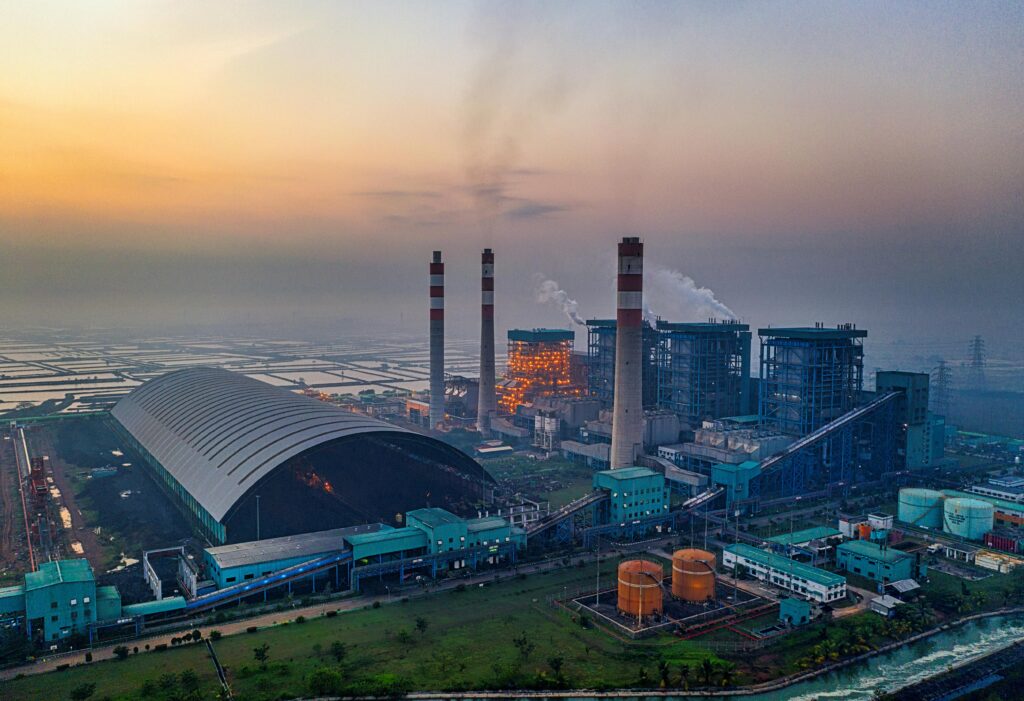
Meanwhile, Shahraki pointed out that fuel levels in power plant reserves are already lower than last year, signaling a potential shortage ahead. Reports have also surfaced about fuel oil combustion starting in some power plants, such as Shazand in the Central Province, underscoring the regime’s reliance on outdated and environmentally damaging stopgaps.
A recent article from Ham Mihan highlighted Iran’s alarming fuel waste, pegged at $48 billion annually, caused by a mismatch between energy supply and demand. In 2023, Iran produced approximately 3.8 million barrels of crude oil and gas condensate per day, accounting for 1.4% of global production and ranking seventh worldwide.
Yet significant energy is squandered due to outdated infrastructure, lack of efficient technologies, and inadequate energy management.
Iran’s reliance on aging industrial systems and inefficient transportation methods is a significant factor behind its high fuel waste. Outmoded technologies across heavy industries exacerbate the country’s energy intensity, leaving Iran far from achieving its energy reduction goals.
According to a report from the Iranian Parliament’s Research Center, industries with high energy demands, running on obsolete technologies, have contributed to the crisis. Inadequate adoption of advanced technologies in energy supply and consumption remains a major impediment to energy sustainability in Iran.
As temperatures drop and demand rises, Iran’s continued lack of a cohesive energy strategy places a growing burden on its citizens, who must cope with rising tariffs, restricted supply, and the looming specter of winter energy shortages.